One Cup, Two Kilns
Point and Line · Material · Hemp — a Korea–Japan ceramic exchange through the VIZO gyeyeongbae
Special Lecture, Nara College of Arts · VIZO ART School workshop · Namsoo Peter Kim, VIZO FAB
About the Course — VIZO ART School
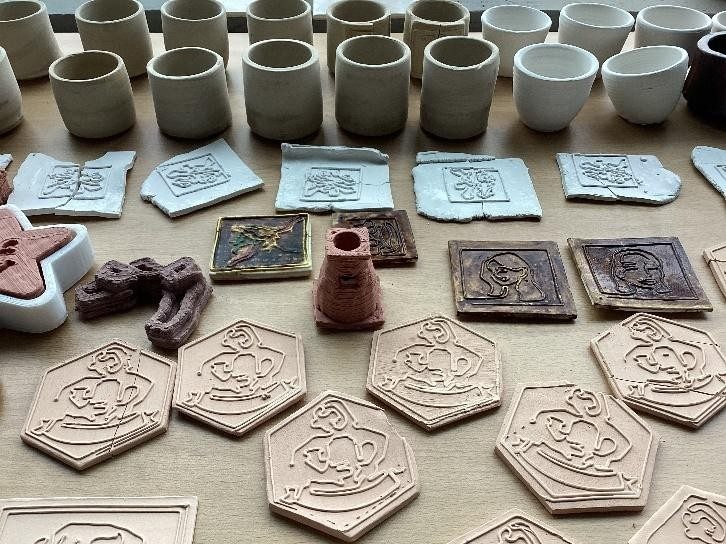
Alone, quietly — a free school where the work is the proof
No questions about degrees, careers or age. The learner designs; VIZO holds the tools. Beyond a working adult’s hobby, it is a course in history, material and technique together.
- Observe see the meaning and feeling beyond the form
- Translate carry it into a new context and material
- Materialize print and finish it into something to hold
- VIZO-LOG keep the process as proof of originality
vizoedu.com/academy/vizo-art · VIZO-LOG, Lecture 3, RE:BIRTH
The Seven Courses of VIZO ART
Hand · Hempcrete
Rice husk, hemp and lime, set by hand
Thread · Pinloom
Layered thread becomes light and shade
Pen · VIZO Pen
One line between pen-down and pen-up
Lacquer · VIZO Lacquer
Time that sets with humidity, not heat
Light · VIZO Laser
A single-line curve engraved in a plate
Pendulum · VIZO Pendulum
A line set by weight, length, friction
Clay · Gyeyeongbae & Moon Jar
Today’s workshop
The first lecture is always VIZO AI Design
Decide what to make, then go to the tool
Part 1 · Point and LineA Point Wants to Become a Star, a Line a Galaxy
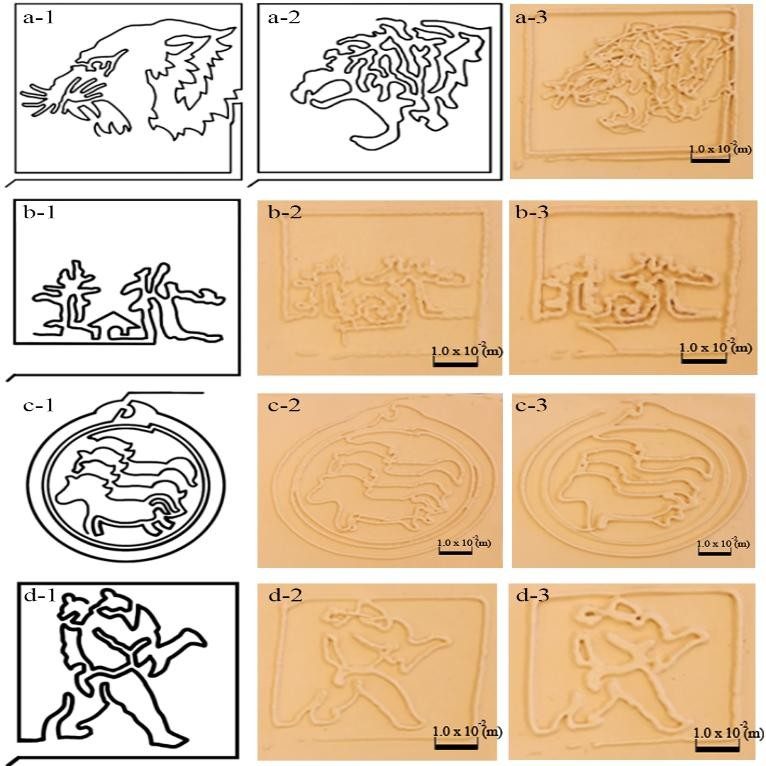
A point is information that wants to survive. When it repeats instead of vanishing, it gains direction; when that direction endures, it becomes a line.
A line is not thickness but duration. If Kandinsky called the line the track of a moving point, the VIZO Pen line is one unbroken stroke from pen-down to pen-up.
VIZO-LOG, Lecture 13 · Kandinsky, Point and Line to Plane (1926)
Part 1 · Point and LineBeopgyedo — One Line That Leaves the Center and Returns to It
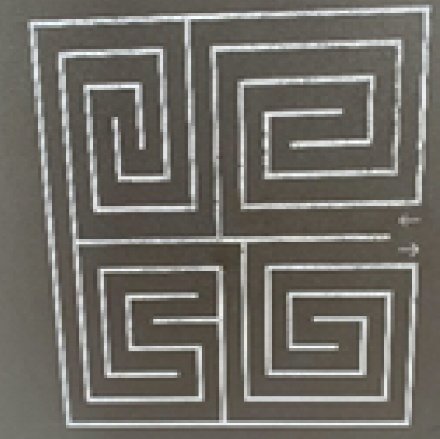
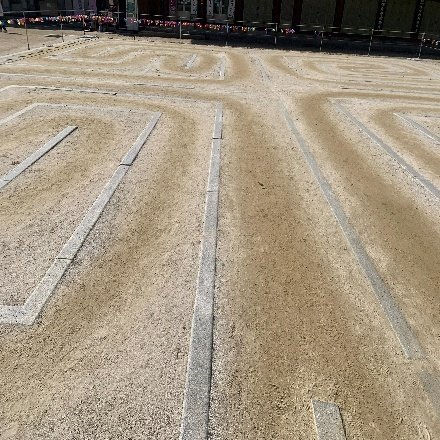
A poem of 210 characters (30 lines of 7) is set on one line that turns 54 times. The path leaves 法 at the center, travels the whole board, and ends at 佛, right beside it at the center.
- “合詩一印 五十四角 二百一十字” — the poem joined into one seal: 54 corners, 210 characters
- White paper is the world of vessels, black characters the world of beings, the red line the world of the awakened — one red line, unbroken, beginning joined to end
- Handed down under the name of Uisang (625–702), 668. In the courtyard of Haeinsa on Mount Gaya, Hapcheon, is the Haeindo, a path to walk.
Placing points (characters) on a board of lines — like baduk, like sudoku.
Tripitaka Koreana K1502 (Dongguk Univ. KABC) · Daegi · Photos: author (Haeinsa, Nov 2025) · VIZO-LOG, Lecture 13
Part 1 · Point and LineWriting Becomes Line — Chinese Characters and Hangul
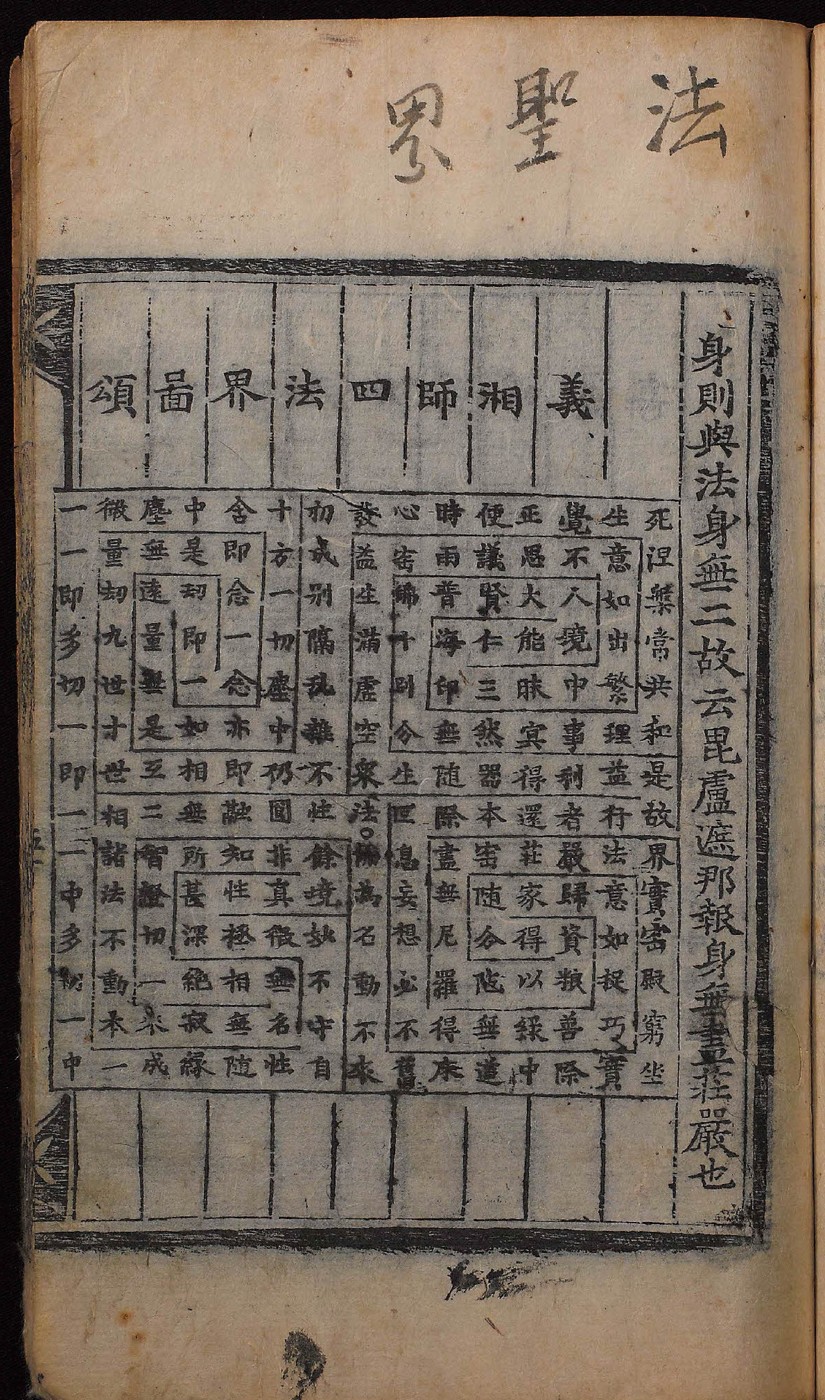
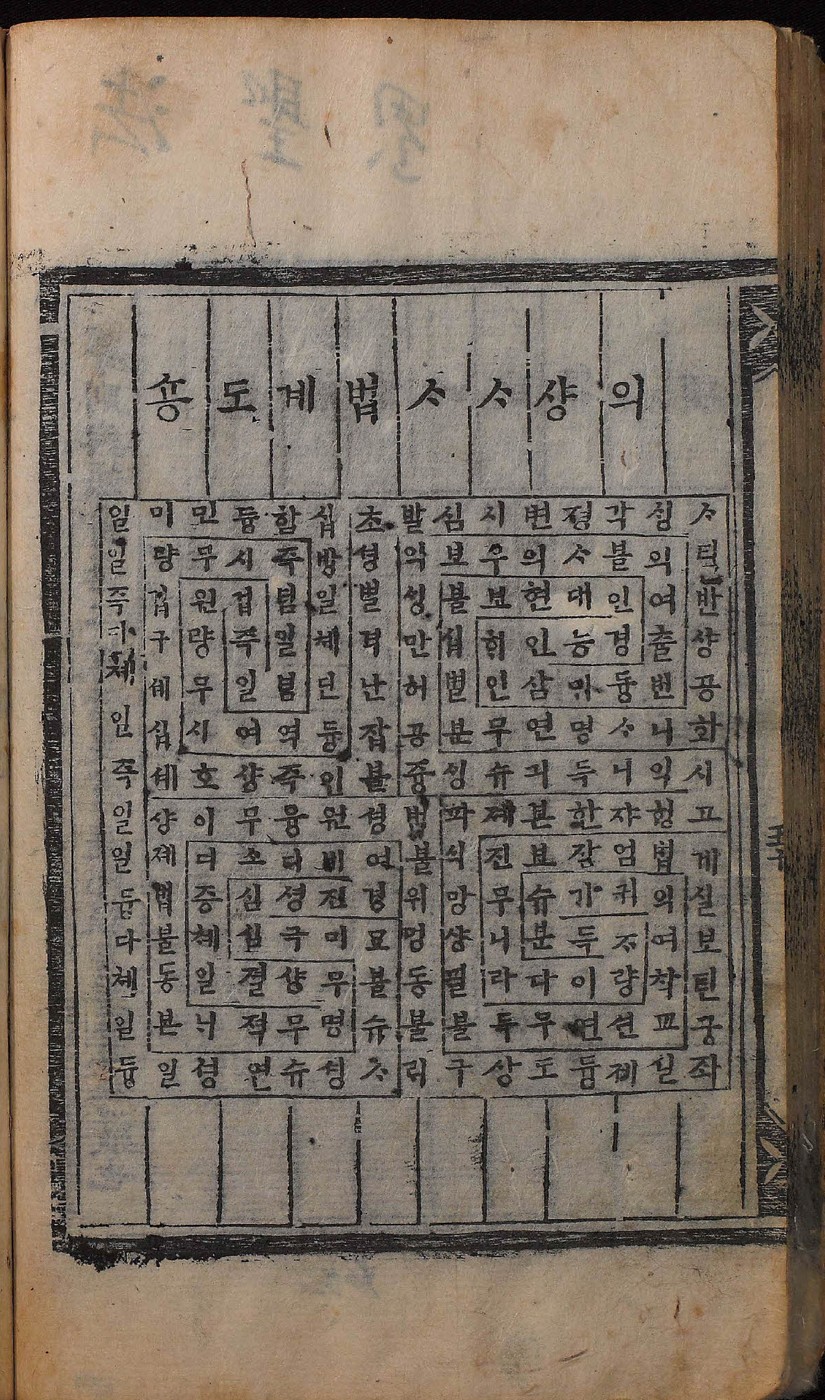
“To read the poem, begin from 法 at the center, wind and turn, and end at 佛. Read along the path of the seal (54 corners, 210 characters).”
- “Why does the seal have only one path? Because it shows the single voice of the Tathāgata.”
- The Sammun jikji (1769, Eunjeoksa edition) prints the seal in Chinese characters and in Hangul side by side, so the path can be followed by sound as well.
- The Hangul 능인 shows by sound that the character is 仁 (in), not 入 (ip).
Preface of the Hwaeom ilseung beopgyedo · Sammun jikji (1769), Dongguk Univ. Library D6257 · author’s paper Returning to the Center (Paper Pending Publication)
Part 1 · Point and LinePoints Become a Line — the Character Board and the Red Path
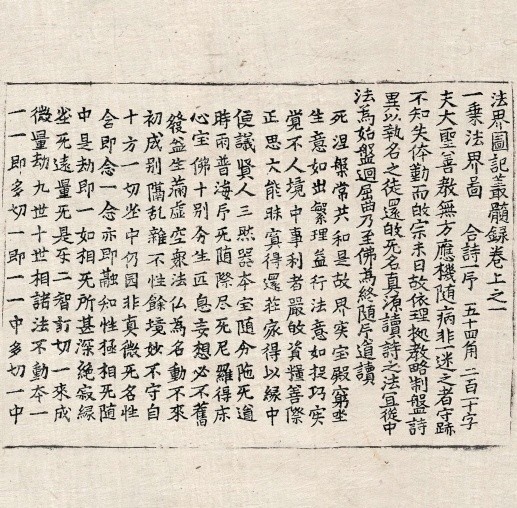
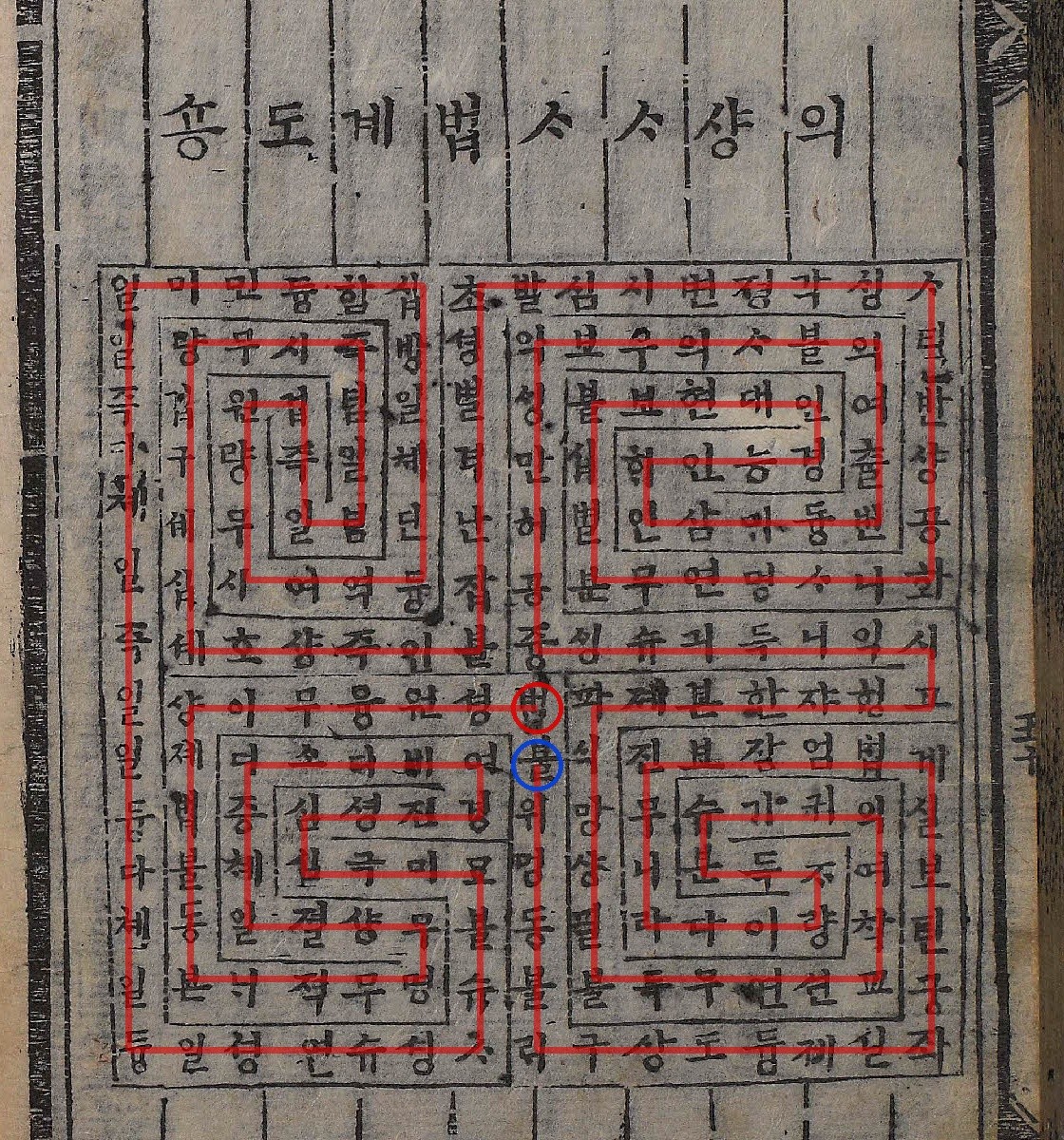
The Tripitaka Koreana board has no connecting lines, yet every character sits where it sits in the seal. The board of characters is already the figure.
Each character is a point. Joined in reading order, the points become one line. The old commentary called that line the red line, the world of the awakened.
Tripitaka Koreana K1502 (Dongguk Univ. KABC) · Daegi · Sammun jikji (1769) · author’s drawing (18 Oct 2026)
Part 1 · Point and LineZhiyan and Uisang — Who Made It?
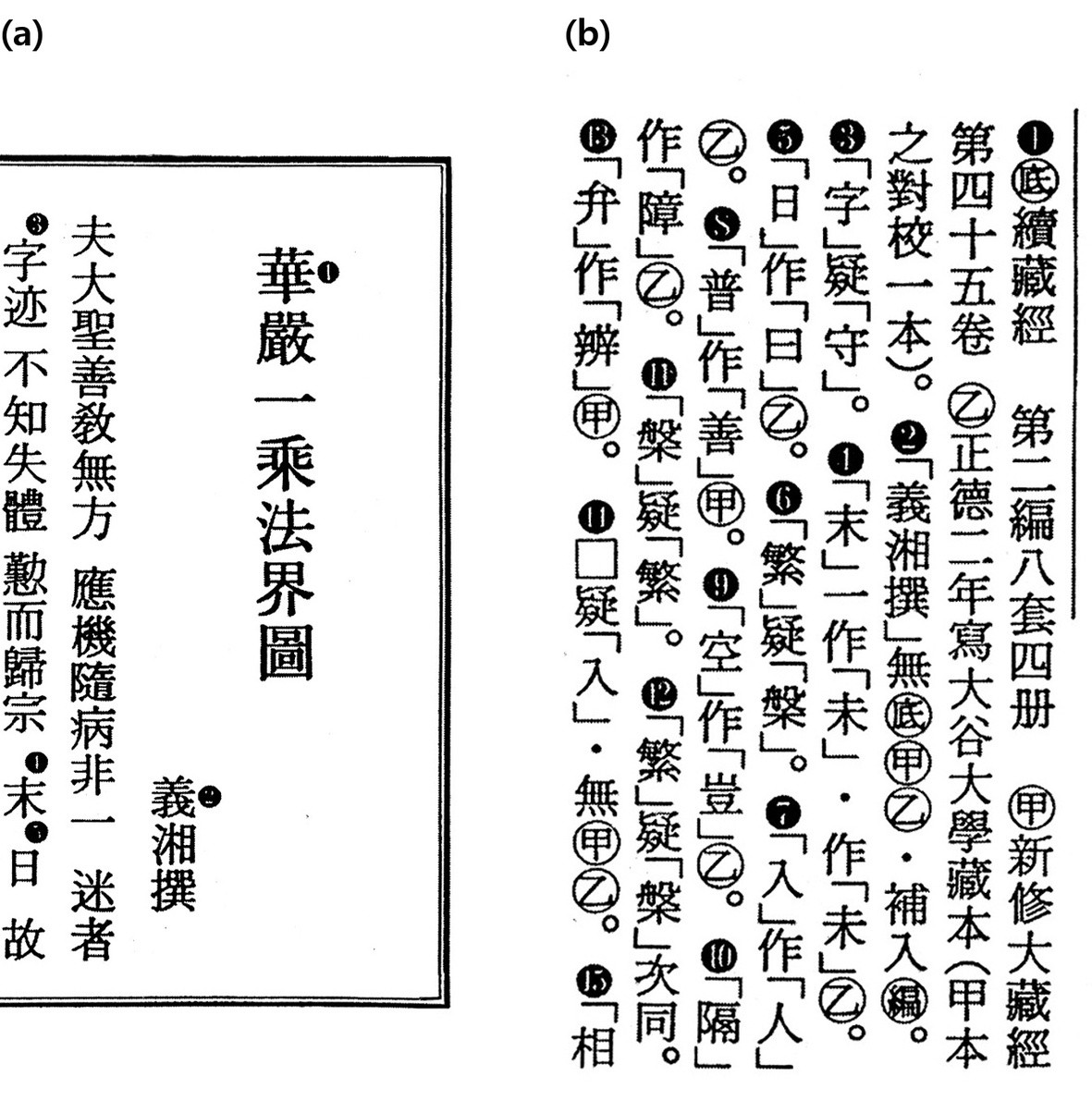
The usual account: Uisang (625–702) made it in 668 while studying in Tang China under his teacher Zhiyan (602–668).
- Wonsang nok: Zhiyan composed the thirty lines and Uisang drew a red seal over the black characters and presented it. The view following Choe Chiwon’s Biography of Uisang: Uisang composed it. Gyunyeo records both.
- The Fangshan stone says 儼法師造 (made by Master Zhiyan); the Samguk yusa and the Sammun jikji name Uisang. Every account has the two working together.
- “Zhiyan made seventy-three seals; Uisang grasped his teacher’s intent so deeply that he made only this one root seal.”
- End of the text: “Why is the compiler’s name not shown? Because all things arising from conditions have no owner (無有主者).”
Gyunyeo, Ilseung beopgyedo wontonggi · Beopgyedogi chongsurok · Hwaeom ilseung beopgyedo · Sato (2021) · author’s paper Returning to the Center (Paper Pending Publication)
Part 1 · Point and LineThe Record Japan Kept
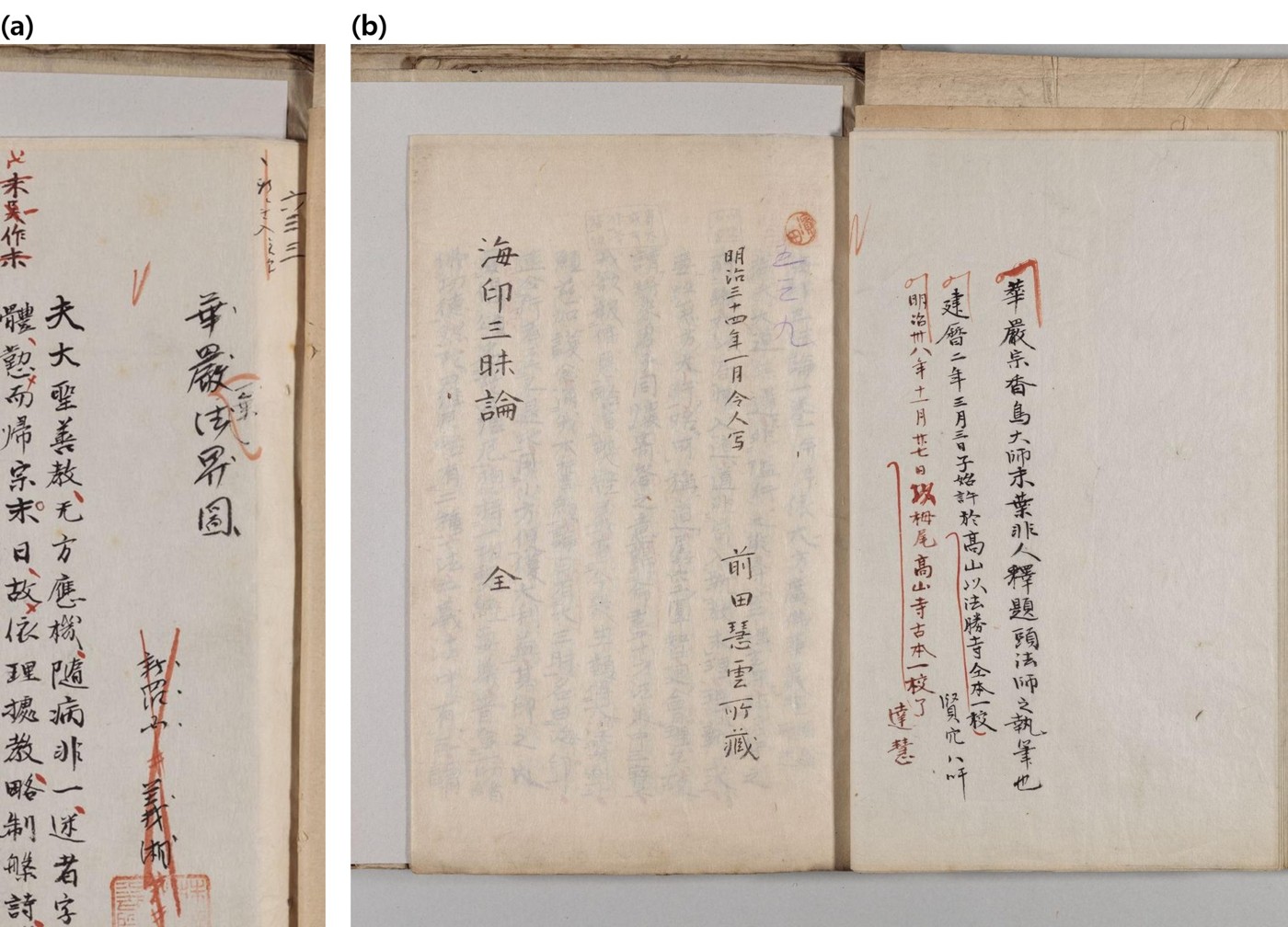
- The Kyoto manuscript ends with “collated once at Kōzanji in 1212 against the Hosshōji copy”; on the next leaf, in red ink, “collated in 1905 against the old copy of Toganoo Kōzanji.”
- The Ōtani University manuscript was copied in 1712.
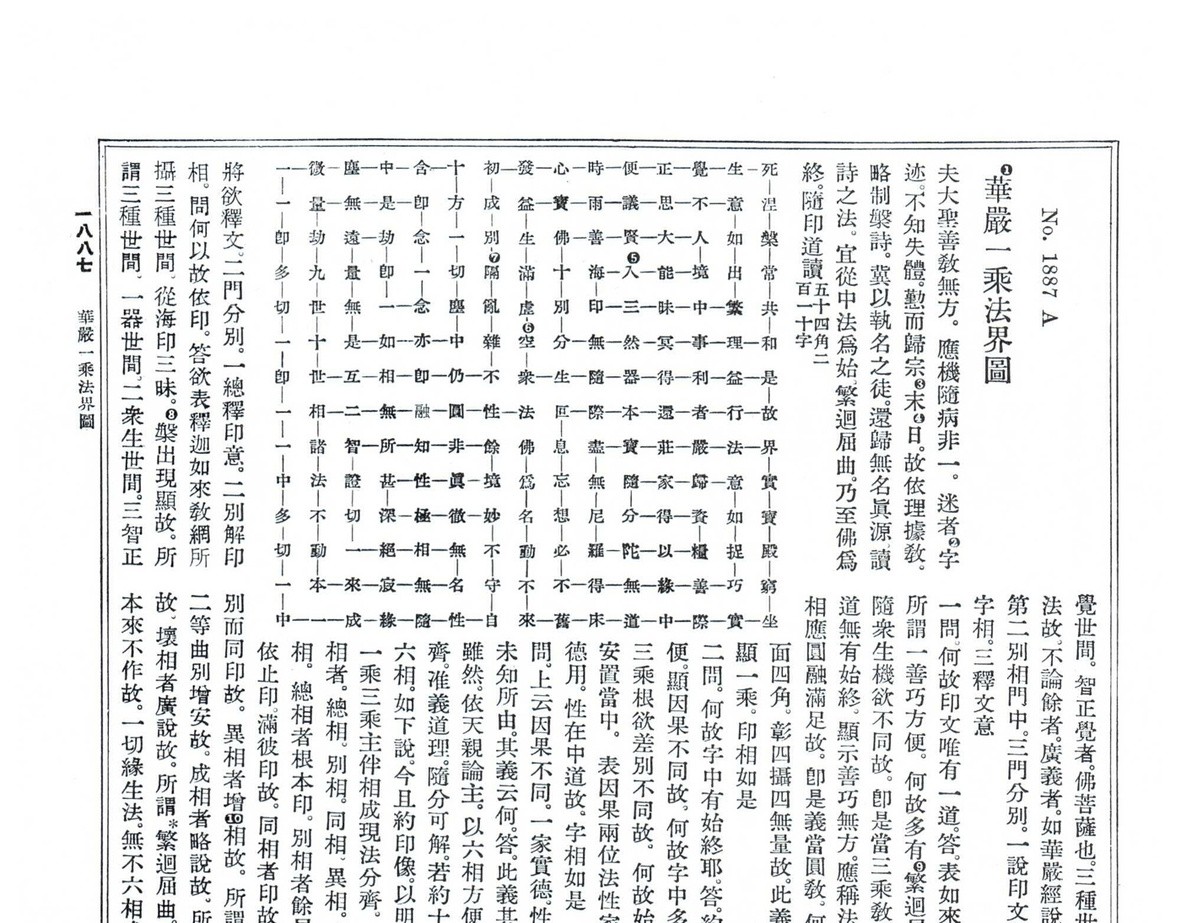
- The Taishō (1927) vol. 45 is based on the Dai Nihon zokuzōkyō, collated with the Ōtani copy, and names no author. The Kyoto manuscript underlies the modern canons.
Korea kept it carved on woodblocks; Japan kept it by copying and collating by hand. The two countries have kept this one line together.
Photos: Kyoto University Rare Materials Digital Archive · SAT Daizōkyō Text Database · Sato (2021) · author’s paper Returning to the Center (Paper Pending Publication)
Part 1 · Point and LineSingle Line Design and the Pendulum
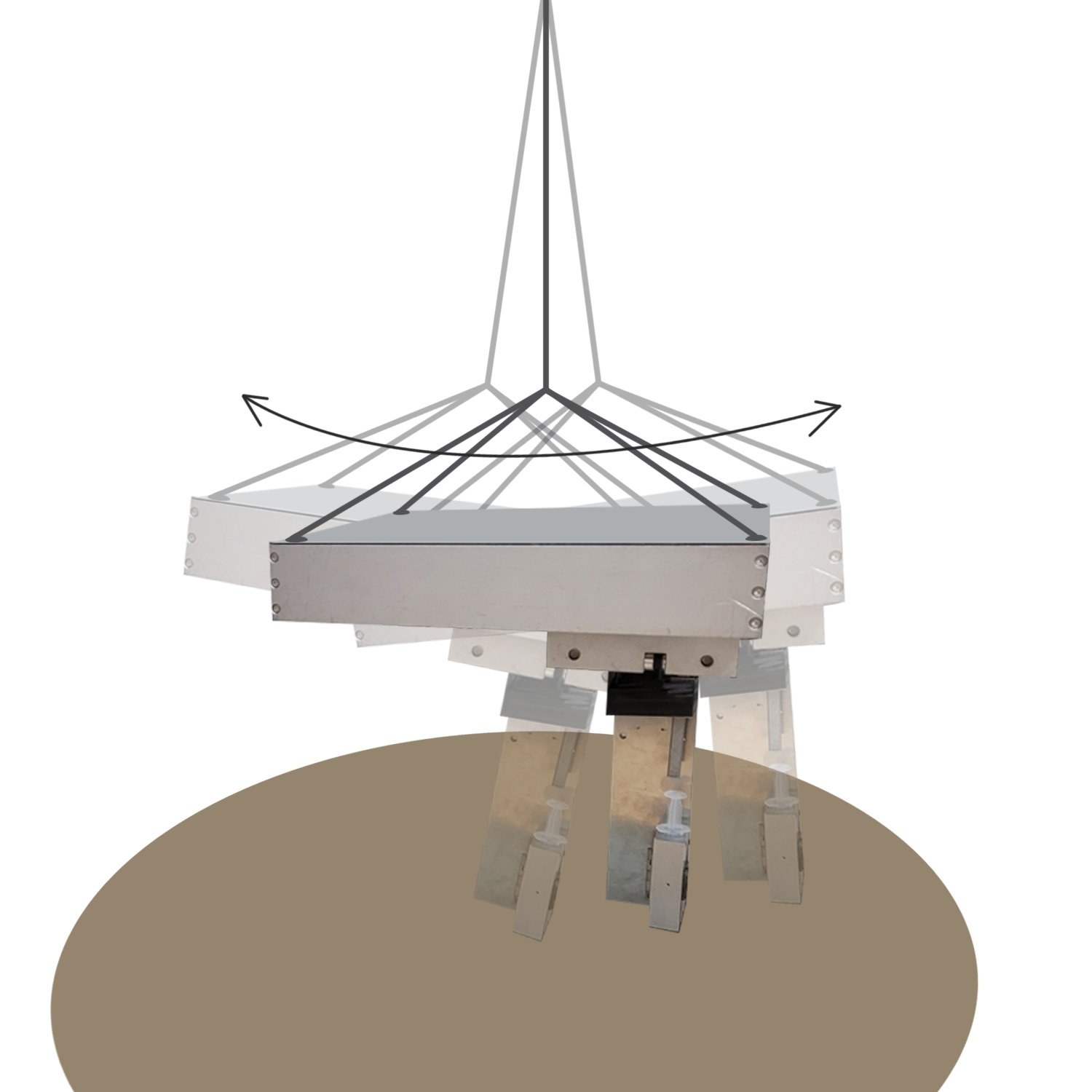
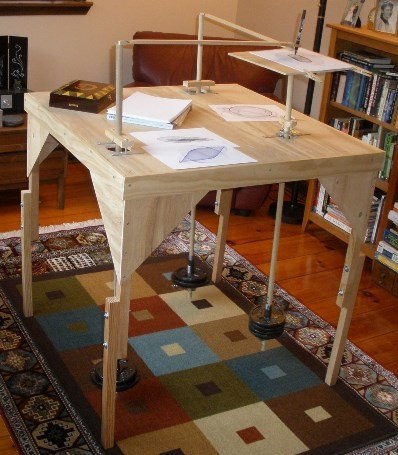
Claim 5 “From start to end of printing one object, without stopping, in a Single Line Design manner” — the head hung on a pendulum extrudes while it swings. Variables: frequency f, amplitude A, nozzle diameter d. Instead of another motor, we use the swing.
Korean Patent 10-2694442, claims 1–5 · VIZO-LOG, Lecture 15
Part 2 · Material3D Printing Walks the History of Materials Backward
“3D printing technology, with its back-to-the-future instinct” — not an order of invention, but the main current that time has drawn, seen from a step back.
Kim, N.P., Cho, D., Zielewski, M. (2019). Ceramics International 45(2A): 2351–2360 · VIZO-LOG, Lecture 13
Part 2 · Material74 and 26 — Filling and Emptying
What completes the structure is not the 70% filled but the 30% left.
VIZO-LOG, Lectures 13 and 14
Part 2 · MaterialThe Returning Road — 1,300°C to 700°C
“The change from 1,300 to 700 is the process of coming back — from all we gained on the way, organic matter, energy, use — to earthenware again, returning to nature. That is the spirit of VIZO: the returning road.”
Claim 12 · Cloisonné
650–800°C → cloisonné → 500–800°C
Claim 13 · Lacquer
650–800°C → lacquer at room temp or 150°C
Claim 14 · Wood fire
650–800°C → glaze → 1,250–1,300°C traditional wood firing
VIZO-LOG, Lecture 23 · Korean Patent 10-2694442, claims 12–14
Part 2 · MaterialClay Crossed the Sea
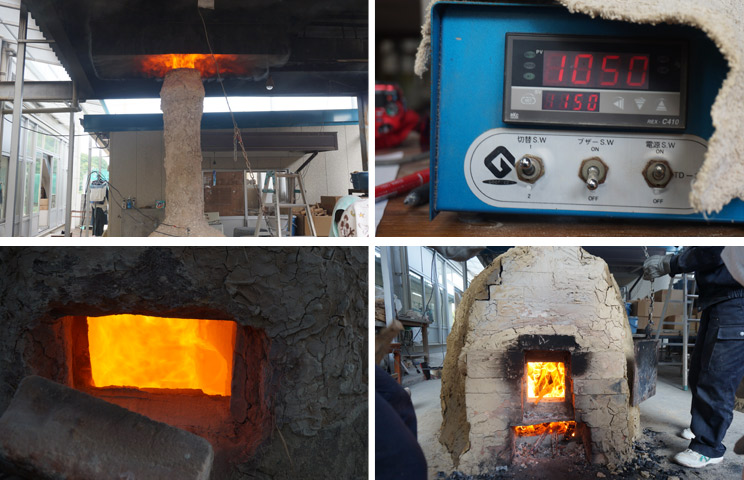
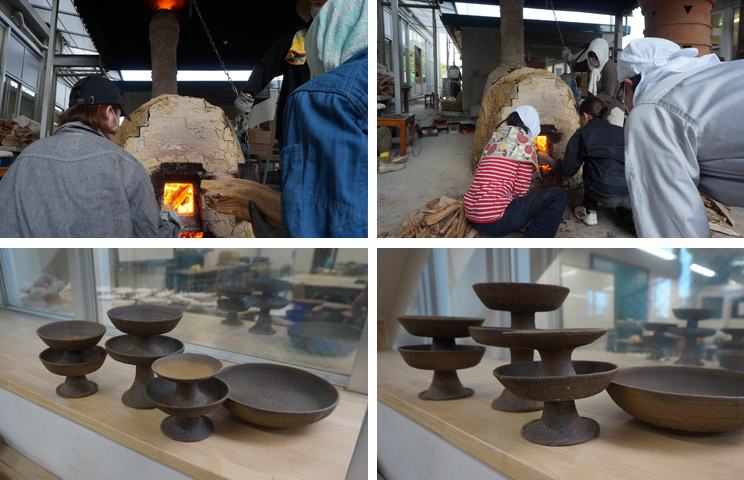
Around the 5th century, clay-working skill from Baekje and Gaya crossed the sea and became sueki.
Today Nara College of Arts fires with Kume-cho clay, and Jillye in Gimhae, old Gaya land, fires buncheong. This time we bring both countries’ strengths and materials together to make one gyeyeongbae. Buncheong is the hand that covers and then takes away: the brush mark of gwiyal and the path of the nozzle stand in the same place.
Photos: Nara College of Arts PR blog (6 Oct 2022) · VIZO-LOG, Lecture 14
Part 2 · MaterialNames of Clay — Kaolin (高嶺) and Goryeong (高靈)
Kaolin 高嶺土
Clay of Gaoling (高嶺) village near Jingdezhen, mined for over 1,200 years until exhausted in 1969. The name spread to Europe through the French Jesuit d’Entrecolles in the 18th century.
Goryeong 高靈 · Daegaya
A different character. Goryeong was the heart of Daegaya; in June 2026 the third excavation of the Hapga-ri kiln site found six Daegaya pottery kilns.
Korea’s kaolin · Hadong
Hadong in South Gyeongsang is the best-known source, yielding 25,000–30,000 tonnes a year after 1980, then declining as imported kaolin arrived.
Just as Jingdezhen’s clay is called by its village name, Gaoling, the clay of Nara College of Arts is Kume-cho clay: clay from around Kume-cho in Kashihara, where the college stands, mixed in to fire sueki. We call each country’s clay by its own name and bring them into one cup.
Wikipedia, Kaolin · Segye Ilbo (30 Jun 2026) · Encyclopedia of Korean Culture, Goryeongto · Busan Ilbo (12 Nov 1998)
Part 2 · MaterialKume-cho Clay — the Ground Below Mount Unebi
Layers of the ground
The Nara Basin rests on bedrock overlain by the Osaka Group (gravel, sand, clay, volcanic ash), terrace deposits and alluvium. On the fans at the basin’s southern edge, the surface is mostly gravel and sand.
Pottery from 3,000 years ago — the Kashihara site
In neighbouring Unebi-cho, at the tip of the terrace below Mount Unebi’s southeast slope. Blue clay and clay layers lie underground; Late Jōmon “Kashihara-style” pottery and nearly 200 clay figures were found. Excavated 1938; Important Cultural Property 2002.
The tiles of Kume-dera
Kume-dera, at 502 Kume-cho, is thought to date from the late 7th century. Tiles made in the same wooden moulds as those from its grounds were also found at Fujiwara Palace and Kōfuku-ji.
From this ground that gave pottery 3,000 years ago and roof tiles 1,300 years ago, Nara College of Arts now takes clay to mix into its sueki.
MLIT Kinki Regional Bureau (Nara) · Tsuji Y. (Kansai Univ.) · Wikipedia: Kashihara site, Kume-dera · Kashihara Archaeological Institute · Kashihara City
Part 3 · HempThe One Other Material That Takes the Empty Place
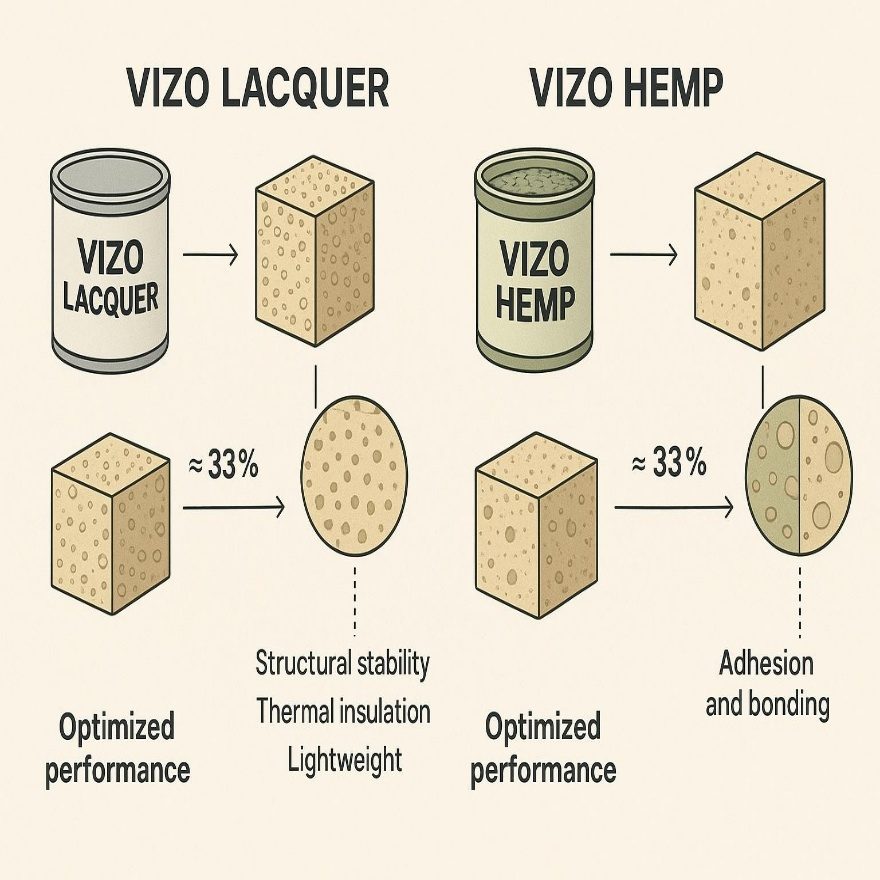
The place we called empty was held by air. Instead of melting it away, replace the air with another material, and the size does not shrink.
- VIZO Hemp hemp fibre softens the clay to shape the moon jar
- Hempcrete rice husk, hemp and lime set by hand
- THC-SAFE THC is checked before use as a material
VIZO-LOG, Lecture 14 · THC-SAFE: Korean Patent 10-2931064 (filed 6 Sep 2023) · J Cannabis Res 2025;7:91 · J Cosmet Med 2024;8(2):104–111 · BIO-IP Issue Paper 8 (2023)
Part 3 · HempMoon Jars of Korean Clay
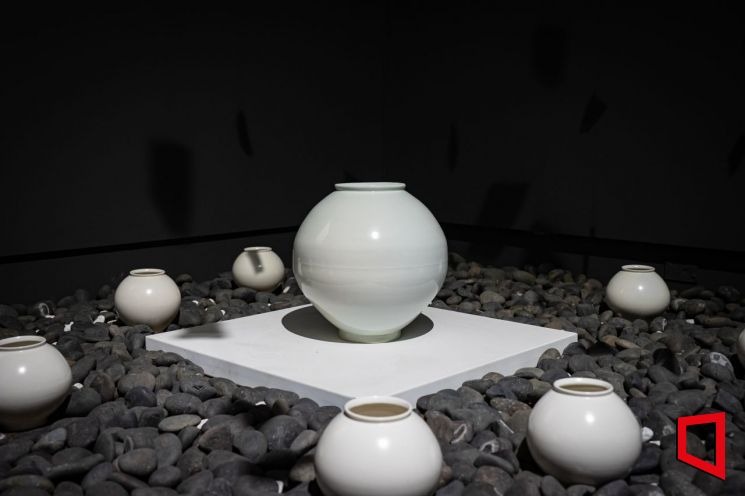
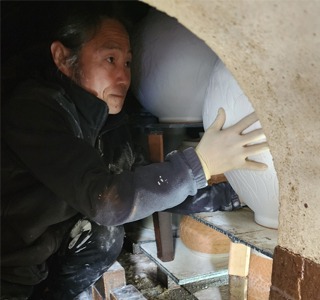
We soften the clay with VIZO Hemp to shape the moon jar, learning from those who use Korean clay today.
Photos: Seongju County via Asia Economy (7 Jul 2026) · Gimhae Buncheong Ceramics Gallery
Part 4 · GyeyeongbaeA Cup That Empties When Full — 戒盈杯
戒: guard against · 盈: fullness · 杯: cup.
Up to about seven-tenths it holds; the moment it passes that line, the hidden tube fills at once and the cup empties completely. Not a little spilled — everything lost. Also called jeoljubae (節酒杯) or yujwajigi (宥坐之器), it was kept close at hand as a warning against one’s own excess.
Part 4 · GyeyeongbaeThe Siphon — Fill → Overflow → Empty
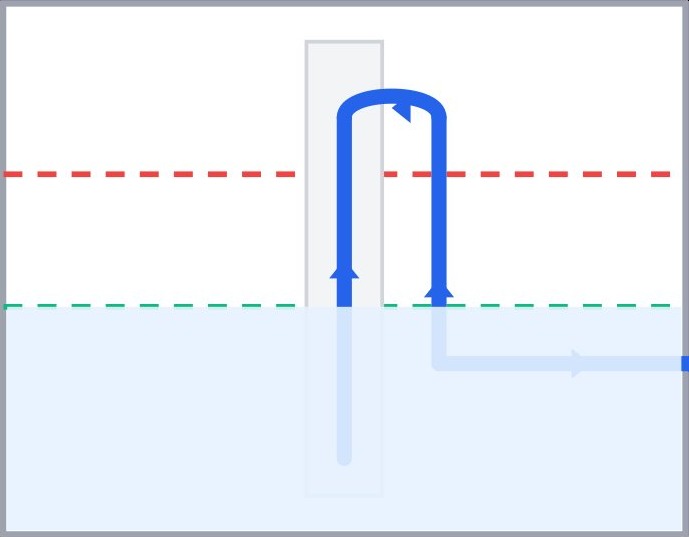
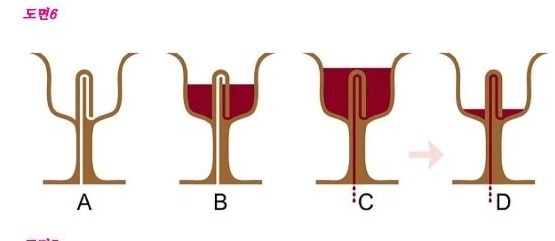
No pump, no power: gravity and air pressure drive the flow. When three conditions are met, the flow, once begun, does not stop. In the West the same principle became the Pythagoras cup — teaching in the East, warning and play in the West.
- An unbroken tube
- A first filling (priming)
- Outlet lower than inlet
Korean Patent 10-2694442, drawing 6 · VIZO-LOG, Lecture 15
Part 4 · GyeyeongbaePatent — the VIZO Method
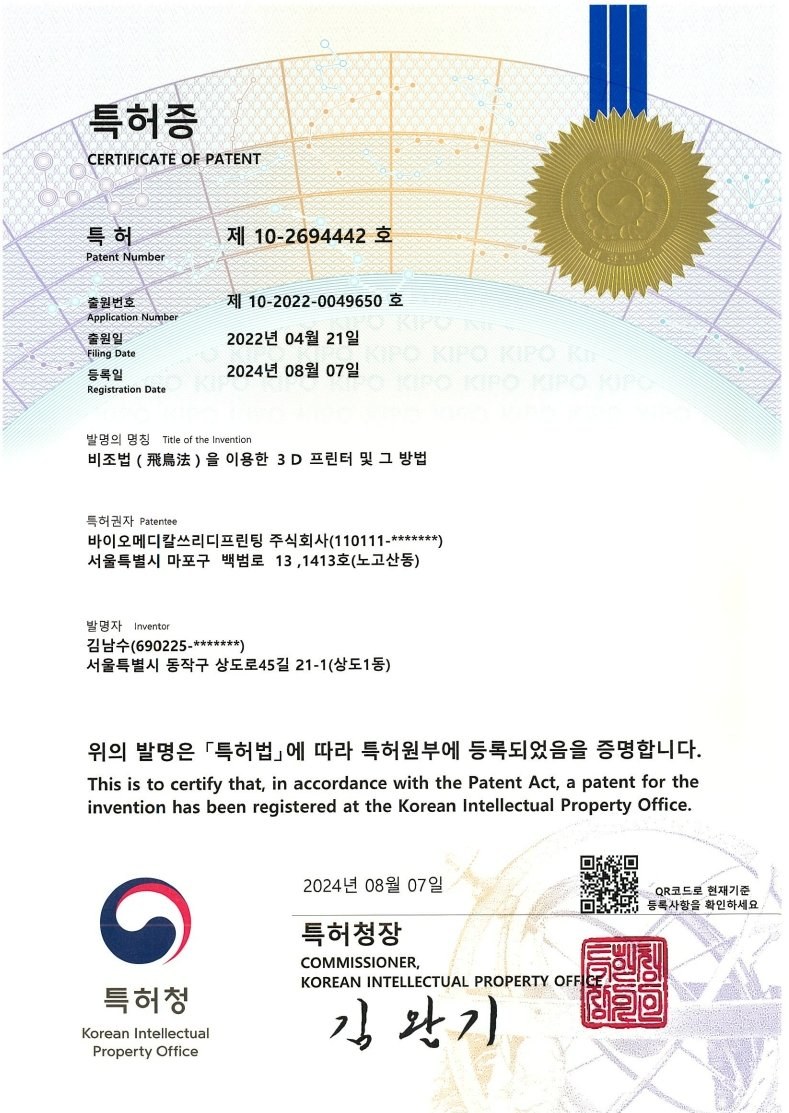
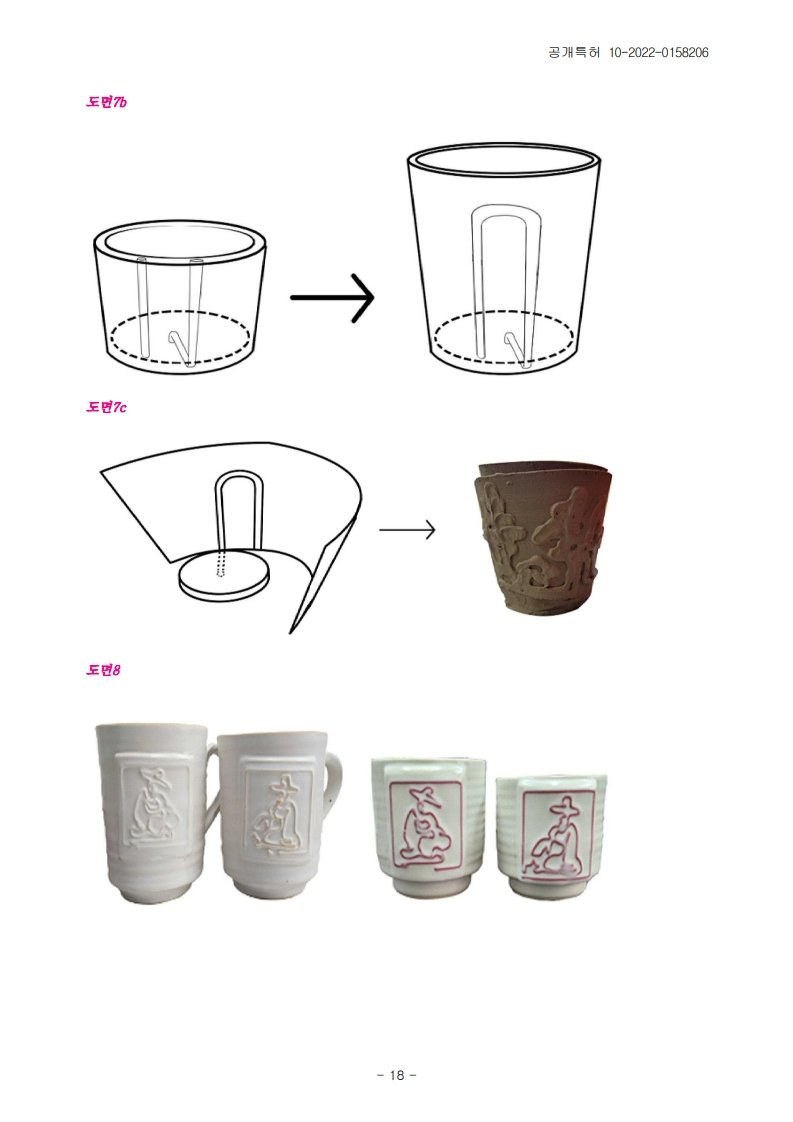
- 2015UTEP — research applying the siphon to 3D printing
- 202120 May — priority application (10-2021-0064860)
- 202221 April — application (10-2022-0049650)
- 20247 August — granted; three ways to make the channel in claims 9–11
Part 4 · GyeyeongbaeBuilding Up the Clay — Design · Print · Test
- Design channel, critical level, inlet and outlet heights as numbers
- Print watertight material and settings, support for the hollow channel
- Test holds to the critical level, drains fully beyond it, no leaks
Part 4 · GyeyeongbaeVIZO Gyeyeongbae — One Hundred a Year
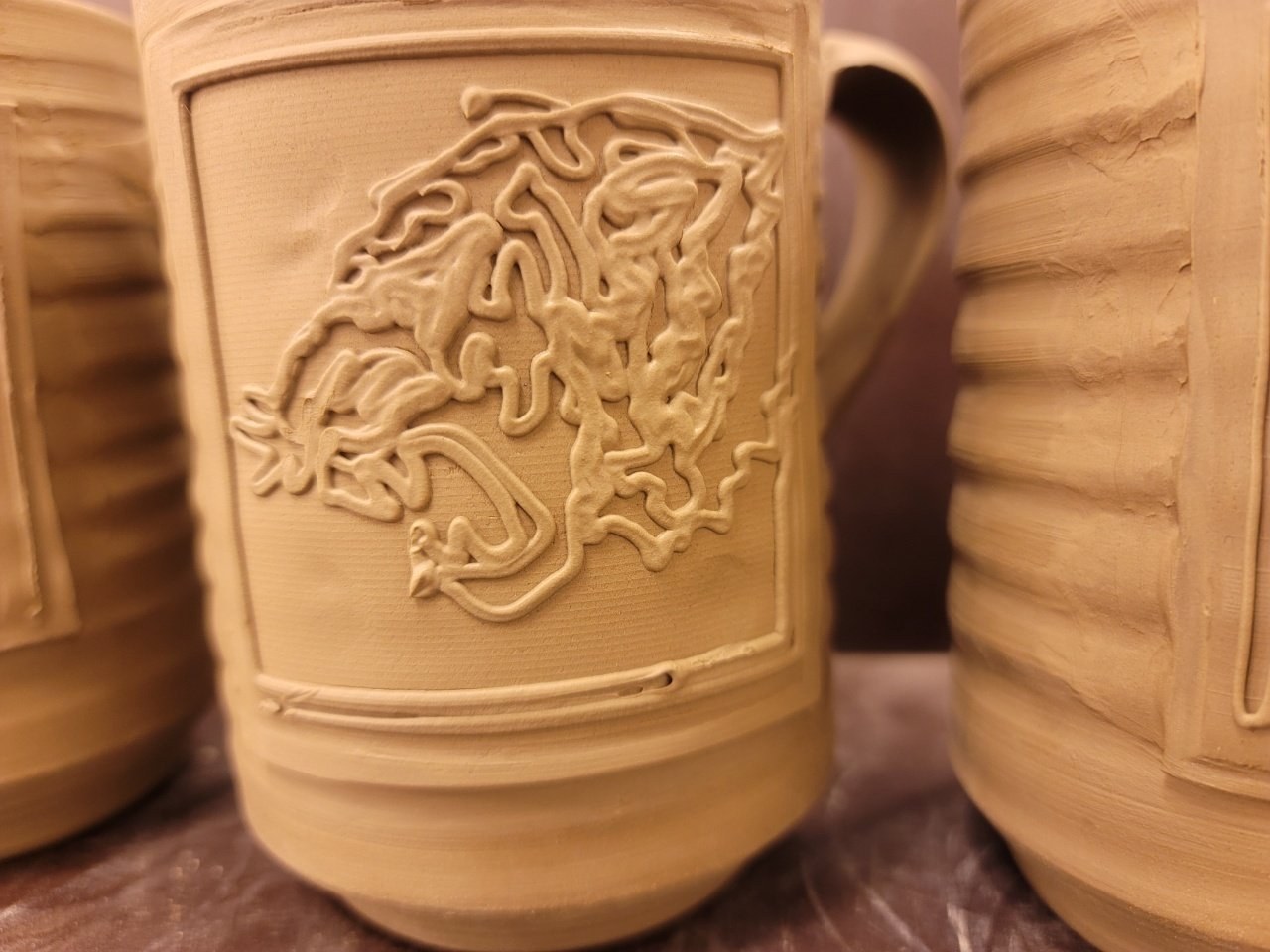
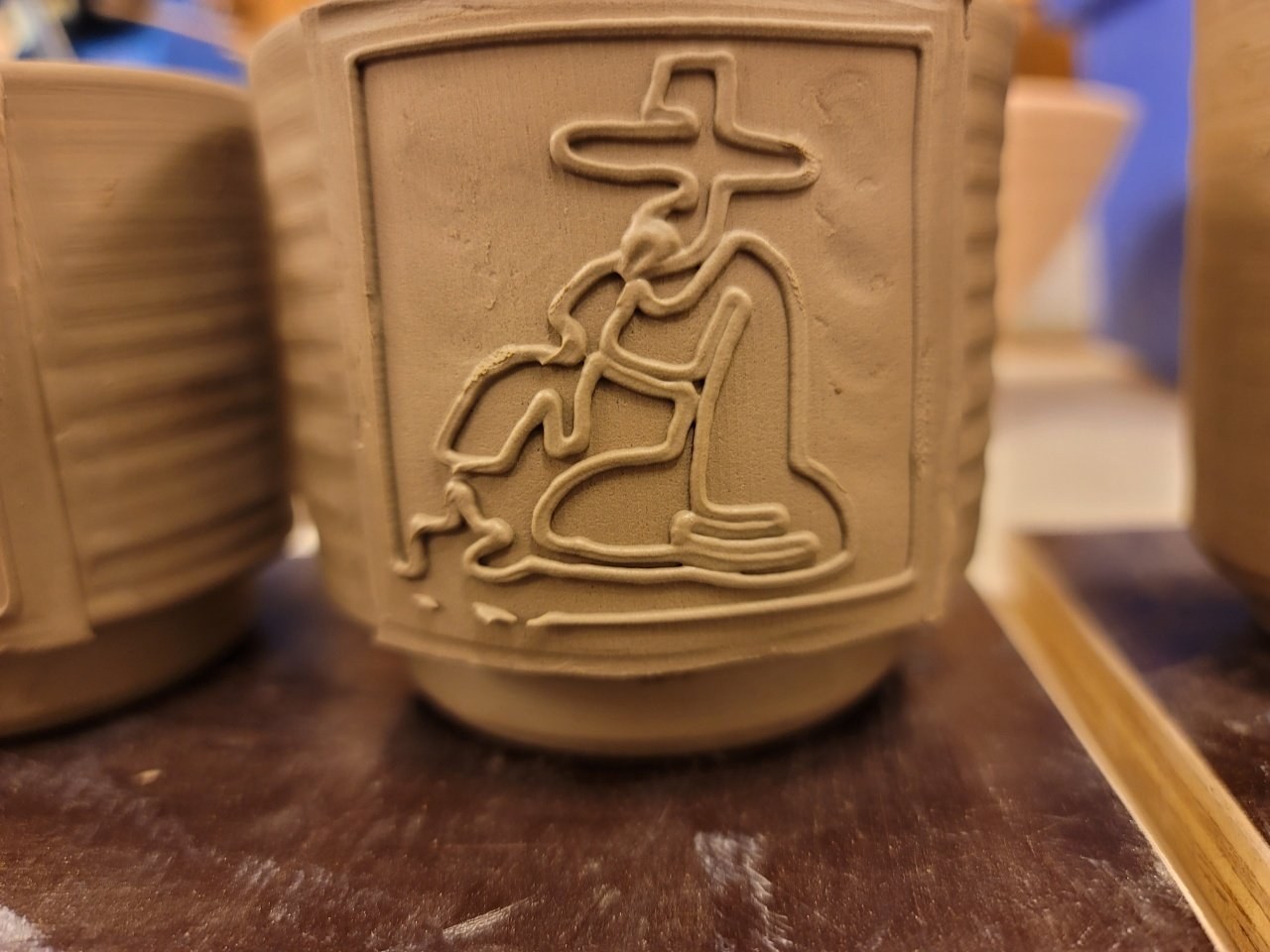
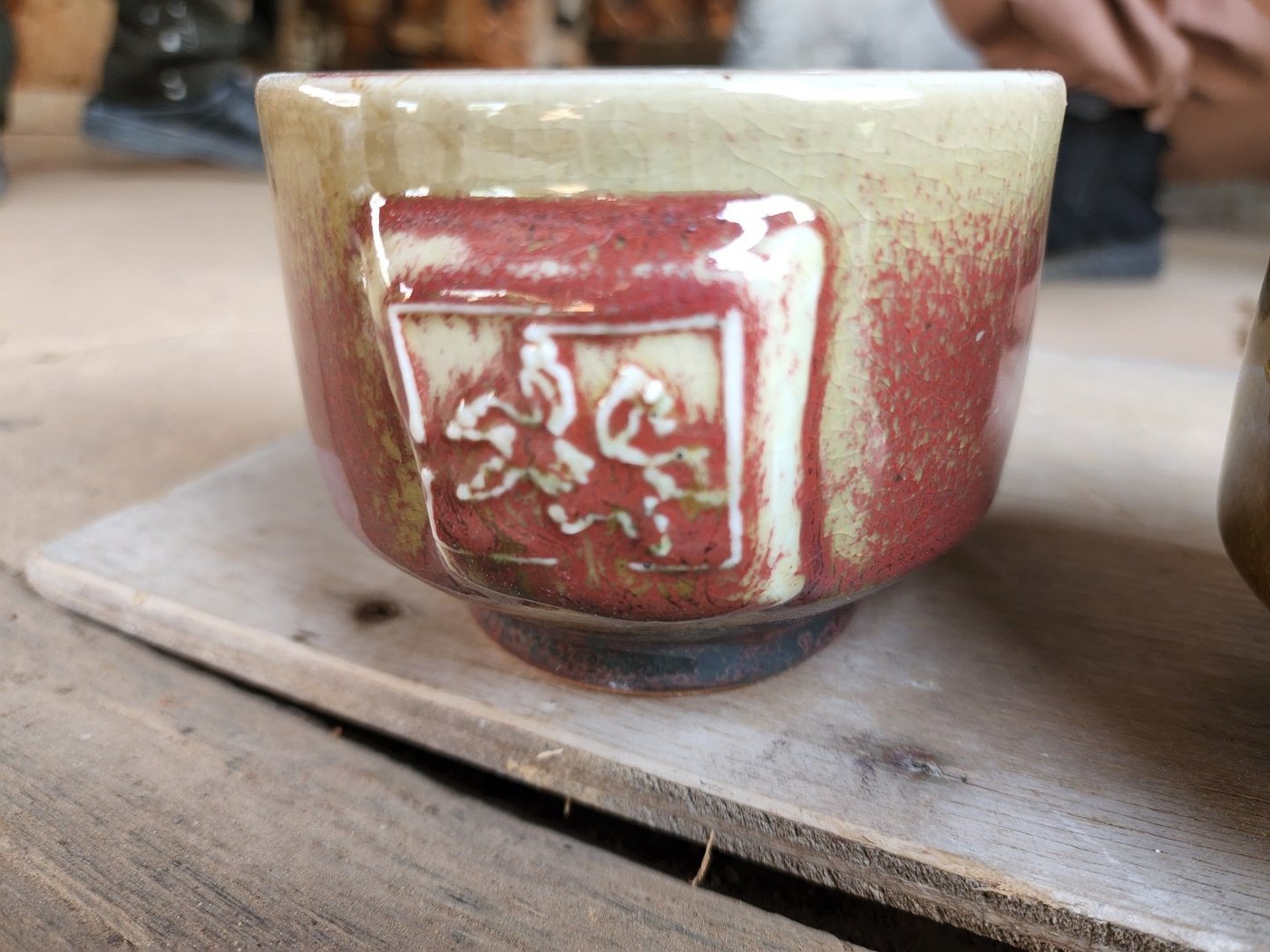
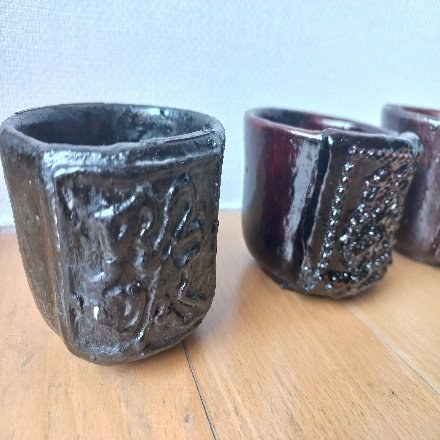
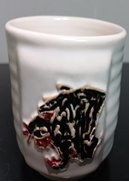
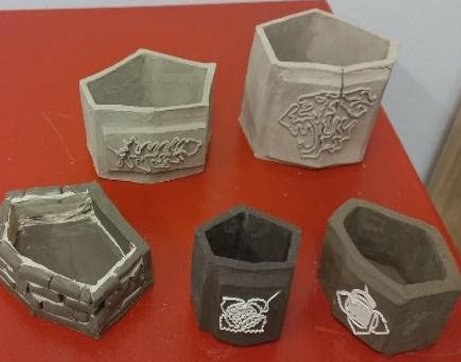
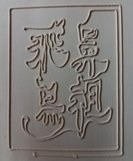
To print without end a cup that teaches us to empty our greed would be trade, not philosophy. So under the name Hapbaekjan, only one hundred are made each year.
VIZO-LOG, Lectures 14 and 15 · Korean Patent 10-2694442, description
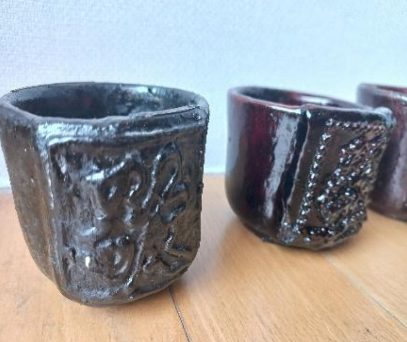
Part 5 · Practice and ExchangeSame Hand, Same Line, Different Fire
Lecture 1 · Making
Draw one line, build up clay — two identical cups
Lecture 2 · Fire of Asuka
One into the college anagama’s wood fire
Fire of Gimhae
The other to Jillye, Gimhae, at the Buncheong festival firing
Exhibition
Galleries in Korea, Japan, USA
We set the two cups side by side and pour the same water. Each fire leaves its own trace. What answers a claim of copying is not argument but a verifiable timeline.
Sketches, settings, notes on clay, hemp and glaze, and the firing records of both kilns all stay in the VIZO-LOG. Take the work; leave the record.
VIZO FAB provides all equipment and staff.
Before It Is Too Late
Korea, with the same clay, is losing its tradition and uses that material, SiO₂, in semiconductors. Now the time has come to return to the past. This is the core of technology and the beginning of art. Japan still has it.
Before it is too late, let us teach and learn the way in which Korea’s semiconductor technology becomes a new art with local materials.
Connect two points, and the point becomes a direction.
Where is your feeling being printed now? · A point wants to become a star; a line wants to become a galaxy.
Thank you · VIZO FAB · vizoedu.com